Governance and compliance
Why GRC Is No Longer Optional — And How the Right Platform Can Make All the Difference
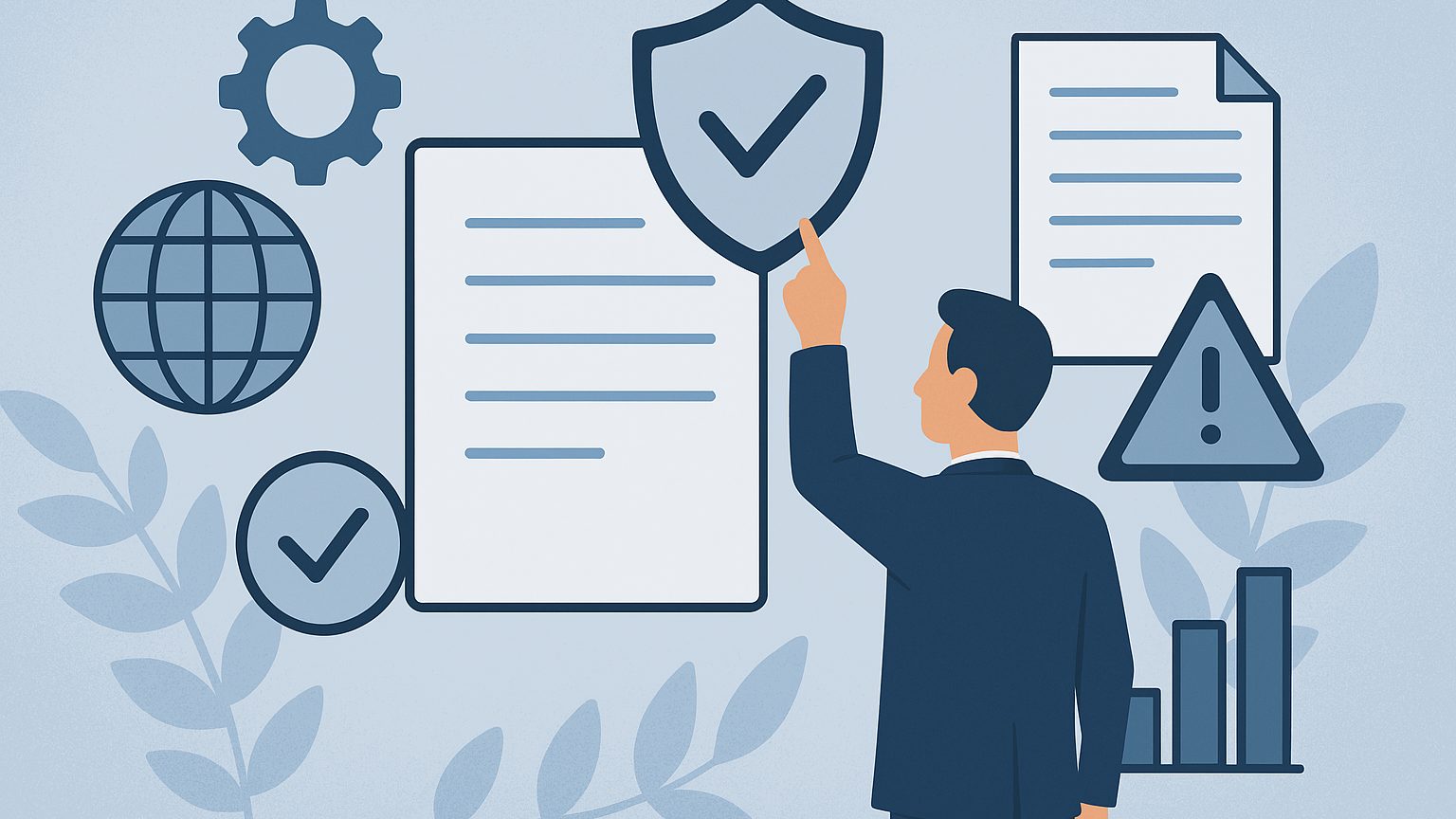
In today’s hyper-connected, regulation-heavy business environment, Governance, Risk, and Compliance (GRC) is no longer a back-office function—it’s a strategic imperative.
From data privacy laws like Saudi Arabia’s PDPL and UAE’s NESA, to third-party risk and business continuity challenges amplified by global disruptions, organizations in the GCC are under increasing pressure to demonstrate resilience, transparency, and ethical operations.
Yet many still rely on Excel sheets, manual workflows, or legacy GRC systems that are expensive, rigid, and disconnected from real-time business realities.
The Risks of Getting GRC Wrong
- Regulatory fines and reputational damage
- Operational silos that slow down decision-making
- Inaccurate risk assessments that leave organizations exposed
- Audit fatigue and compliance burnout
The Power of Getting GRC Right
An effective GRC platform doesn’t just help you “tick the boxes.” It empowers your organization to:
- Automate compliance across multiple frameworks (ISO 27001, NESA, PDPL, GDPR, etc.)
- Monitor risks in real time, not quarterly snapshots
- Streamline third-party onboarding and assessments
- Enable business continuity with proactive planning and response workflows
- Drive accountability across departments with policy and issue management
Why Modern GRC Platforms Matter
Modern platforms are redefining how organizations approach GRC. With AI-powered automation, modular architecture, and support for regional regulations, they offer:
- Scalability for growing enterprises
- Flexibility to adapt to evolving compliance needs
- Visibility through real-time dashboards and alerts
- Efficiency by reducing manual effort and duplication
GRC in the GCC: A Strategic Advantage
In markets like UAE and Saudi Arabia, where digital transformation is accelerating under Vision 2030 and national cybersecurity mandates, GRC is not just about risk mitigation—it’s about building trust, enabling innovation, and ensuring sustainable growth.
Final Thought
If your organization is still treating GRC as a checkbox exercise, it’s time to rethink. The right platform can turn governance and compliance into a competitive advantage—one that protects your business, empowers your teams, and builds confidence with regulators, partners, and customers.
Let’s make GRC work for you—not against you.
Article in collaboration with Microsoft Copilot